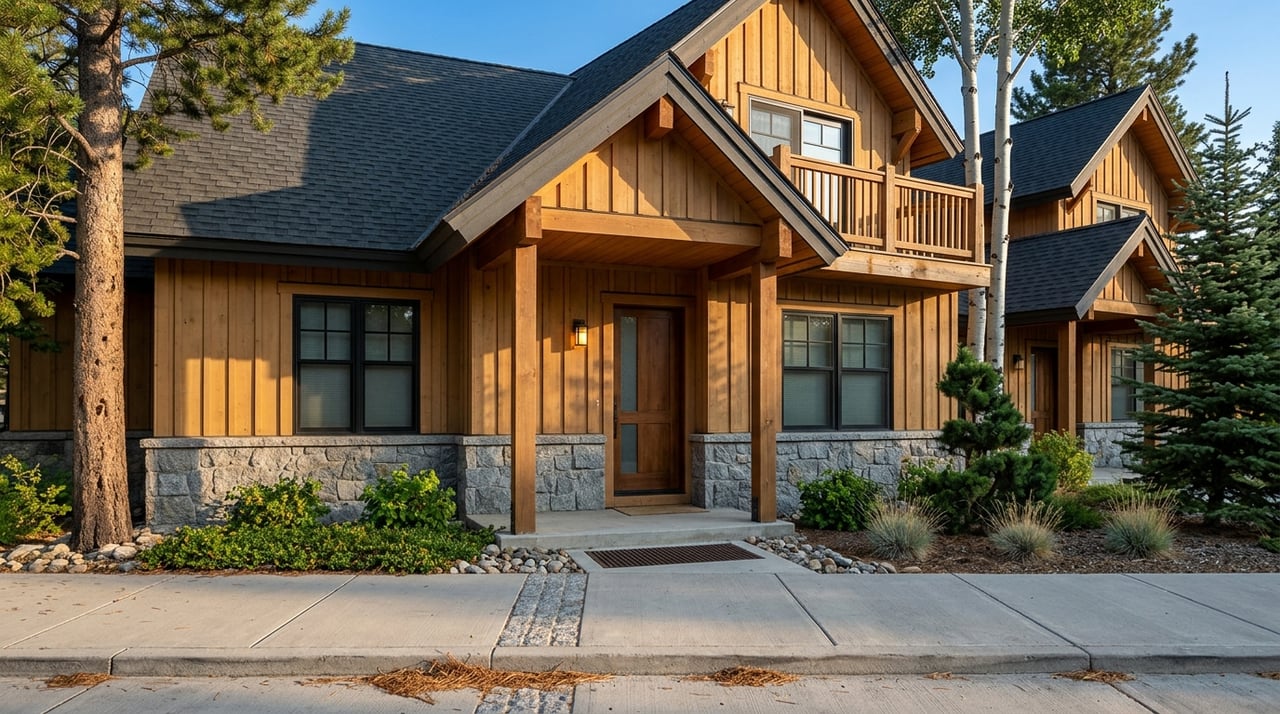
If you love the idea of owning a place in Estes Park but do not love the idea of constant exterior upkeep, a condo or townhome may be the sweet spot. In a mountain setting where weather can change quickly and many buyers want an easy second home or seasonal retreat, lower-maintenance living can be a practical fit. The key is knowing what you are really buying, what the HOA covers, and where the trade-offs show up. Let’s dive in.
Why attached living fits Estes Park
Estes Park is known as a gateway to Rocky Mountain National Park, and that mountain lifestyle is a big part of its appeal. Many buyers come here for recreation, seasonal use, and quick access to trails, scenery, and fresh air. For those buyers, spending less time on exterior chores and more time enjoying the area can be a major advantage.
That is one reason condos and townhomes often stand out in the Estes Valley. In many common-interest communities, HOA dues help fund operating costs such as maintenance, landscaping, insurance, legal work, and registration. Instead of handling every exterior responsibility on your own, you may be sharing those obligations through the association.
Condo vs. townhome in Colorado
The label is not enough
One of the biggest mistakes buyers make is assuming a condo and a townhome work the same way. In Colorado, a condominium is a separate estate in your individual air-space unit plus an undivided interest in the common elements. Those common elements can include shared roofs, halls, parking areas, and other community spaces.
A townhome may be structured differently. In some townhouse or planned unit development setups, you own the unit and the land under it, while common grounds, parking, or recreation areas may be owned by the HOA. That means the recorded declaration and governing documents matter more than the listing label.
Why ownership structure matters to you
This difference affects more than legal definitions. It can shape who maintains certain parts of the property, what insurance you need, and how much control you have over the exterior. If you are comparing attached homes in Estes Park, the smartest move is to look past the marketing description and confirm the actual ownership structure early.
That is especially important in a mountain market, where rooflines, drainage, snow, and shared exterior systems can all affect day-to-day ownership. A clear understanding upfront can help you avoid surprises later.
What “low-maintenance” usually means
Low-maintenance does not mean no-maintenance. It usually means some responsibilities are shifted from the individual owner to the HOA. That can be very appealing if you want a lock-and-leave property or a simpler ownership experience.
In Colorado, HOA dues commonly help pay for:
- Landscaping
- Maintenance of shared areas
- Insurance on common elements
- Legal and administrative costs
- Registration and other operating expenses
For many buyers, this shared-cost model is the main benefit. It can make seasonal ownership easier and reduce the number of tasks you need to manage from a distance.
The trade-offs to understand
Convenience comes with structure. If you choose a condo or townhome, you are also choosing to live within an association’s rules, budget, and operating style. That is not necessarily a negative, but it does mean your due diligence matters.
You may have less flexibility around rentals, exterior changes, or certain property uses. You also need to account for monthly or periodic dues as part of your overall housing cost. In some communities, that trade feels well worth it. In others, it may not match how you want to use the property.
HOA due diligence before you buy
Review the right documents
Colorado’s HOA Information and Resource Center explains that buyers should review the association’s governing-document hierarchy carefully. That generally starts with the declaration or CC&Rs, followed by articles of incorporation, bylaws, governance policies, and rules and regulations.
If you are under contract, you are entitled to HOA documents listed in the residential contract. This review period is your chance to understand how the community operates before you move forward.
Focus on the financial picture
The monthly dues only tell part of the story. You should also review the operating budget, current assessments, annual financial statements, insurance list, and the prior year’s meeting minutes. These documents can reveal whether the association appears stable or whether there are signs of financial pressure.
Meeting minutes can be especially useful because they may point to upcoming repairs, owner concerns, or discussion of special assessments. If you want a predictable ownership experience, this step is worth your time.
Watch for special assessment risk
A low monthly due can look attractive at first glance. But if reserves are limited or major repairs are looming, owners may face special assessments later. That does not mean you should avoid the property, but it does mean you should understand the possibility before closing.
In attached housing, shared systems and common elements can create larger community-wide expenses. Roof work, parking-area repairs, or exterior maintenance can affect every owner at once.
Insurance questions to ask
Colorado associations must maintain property insurance on common elements and commercial general liability coverage. That is helpful, but it does not mean every risk is covered for every owner. You need to confirm exactly what the HOA insures and what additional coverage may be needed on your end.
This is one of the most important questions for condo and townhome buyers in Estes Park. In mountain communities, weather exposure and shared building elements make insurance details especially important. A quick review of the insurance list can help you understand where the association’s responsibility ends and yours begins.
Delinquency and registration issues matter
Two lesser-known HOA issues deserve attention. In Colorado, delinquent assessments can become liens. Also, an HOA’s annual registration with the state can affect its ability to enforce covenants or place a lien.
These are not the most exciting parts of the buying process, but they are worth checking. A well-informed buyer looks at both lifestyle fit and community operations.
Rental rules for Estes Park buyers
Understand the local vacation rental definition
If you hope to use your condo or townhome as a second home and rent it occasionally, do extra homework. Colorado defines a short-term rental as a lodging unit rented for less than 30 days. Estes Park’s code defines a vacation home the same way.
The town requires an annual business license for a vacation home. That includes a $200 base fee, plus $50 per bedroom, plus a workforce housing regulatory linkage fee that began at $1,390 per year in 2023 and is adjusted annually for inflation.
Check three layers at once
For buyers interested in part-time rental income, one question is never enough. You need to check three separate layers before you assume a property will work for your plan:
- Town licensing requirements
- HOA rental restrictions
- Lender or project eligibility requirements
Even if a property seems ideal on paper, one of these layers can limit how you use it. That is why attached-property due diligence in Estes Park should always include both local rules and community rules.
Financing can be different for condos
Condo financing may require project review or project-eligibility checks. That is a practical issue buyers should plan for early, especially if you are comparing a condo with a townhome that may be structured differently.
This does not mean condo financing is out of reach. It simply means the path may involve an extra layer of review depending on the property and loan type. Knowing that upfront can help you build a smoother timeline.
Who tends to like this lifestyle most
Low-maintenance condo and townhome living often appeals to buyers who value simplicity over space-heavy upkeep. In Estes Park, that may include second-home owners, downsizers, and busy professionals who want a place to enjoy without taking on a large yard or full exterior responsibility.
It can also be a strong fit if you live out of area and want a more manageable mountain property. If your priority is easy seasonal use, shared exterior maintenance may feel like a real benefit.
On the other hand, this property type may be less satisfying if you want a large yard, fewer community rules, or more control over exterior decisions. The best fit depends on how you plan to live in and use the home.
A smart way to compare options
When you tour condos and townhomes in Estes Park, try comparing each property through the same lens. Ask yourself:
- What do I own outright?
- What does the HOA maintain?
- What do the dues cover?
- Are there rental restrictions?
- What does the insurance structure look like?
- Are there signs of financial strain or possible special assessments?
- Will the ownership structure affect financing?
These questions can help you move beyond surface-level appeal and focus on long-term fit.
The bottom line
A low-maintenance condo or townhome can be a great match for life in Estes Park, especially if you want mountain access with fewer exterior chores. But the right choice depends on the details, including ownership structure, HOA finances, insurance, dues, rental rules, and financing path.
If you want a home that supports your lifestyle instead of complicating it, careful review is everything. When you are ready to compare attached homes in the Estes Valley with a local, mountain-focused strategy, Liz Kozar can help you sort through the details and find the right fit.
FAQs
What does low-maintenance condo living in Estes Park usually include?
- In many Colorado HOA communities, dues commonly help cover items like maintenance, landscaping, insurance on common elements, legal costs, registration, and other operating expenses.
What is the difference between a condo and a townhome in Colorado?
- A Colorado condominium usually means ownership of your air-space unit plus an undivided interest in common elements, while some townhomes are structured so the owner holds fee-simple ownership of the unit and land, with shared spaces owned by the HOA.
What HOA documents should buyers review for an Estes Park condo or townhome?
- Buyers should review the declaration or CC&Rs, articles of incorporation, bylaws, governance policies, rules and regulations, along with the operating budget, current assessments, annual financial statements, insurance list, and prior year meeting minutes.
Can you short-term rent a condo or townhome in Estes Park?
- Maybe, but you need to verify town licensing requirements, HOA rental restrictions, and lender or project eligibility before assuming the property can be used for rentals under 30 days.
What is Estes Park’s vacation home license requirement?
- Estes Park requires an annual business license for a vacation home, with a $200 base fee, $50 per bedroom, and a workforce housing regulatory linkage fee that began at $1,390 per year in 2023 and adjusts annually for inflation.
Why do HOA finances matter when buying attached housing in Estes Park?
- HOA financial documents can show whether the association appears stable and whether there may be signs of financial pressure, including the possibility of special assessments for shared repairs or other community expenses.
Does condo financing work differently in Estes Park?
- Condo financing can require project review or project-eligibility checks, so buyers should plan for that possibility early when comparing attached properties.