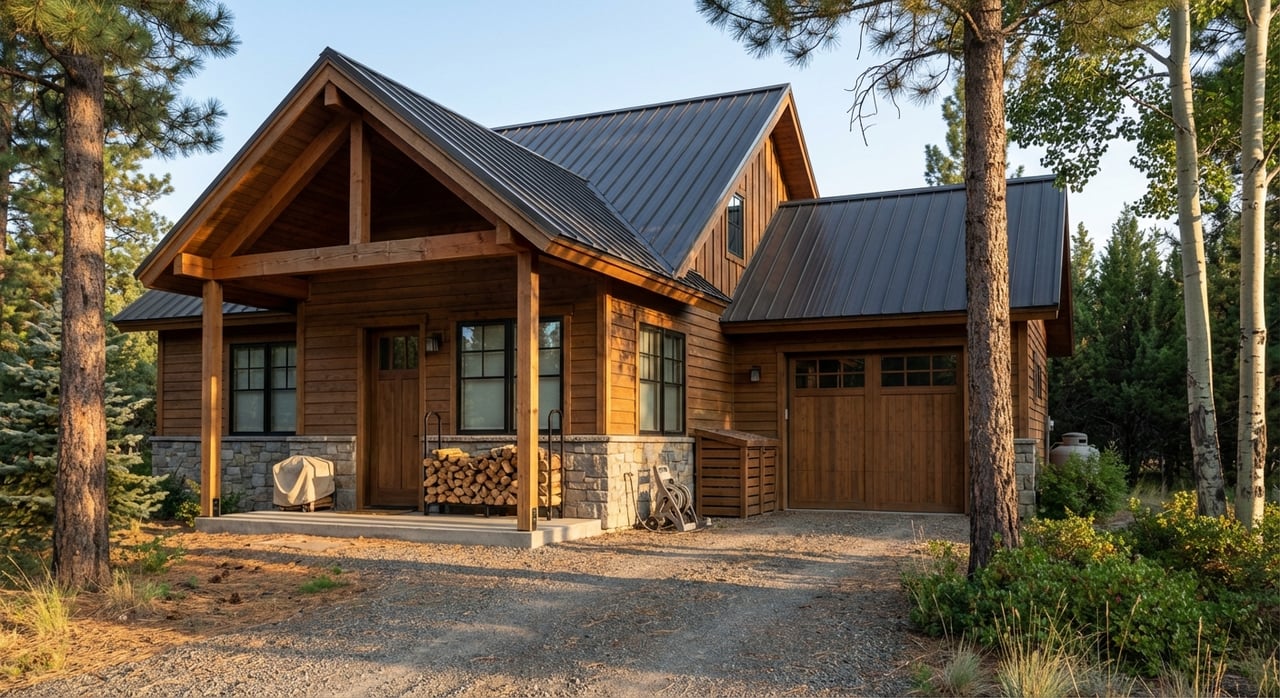
What if your weekend escape could double as a smart, low‑stress retreat in the Rockies? If you are considering a second home in Estes Park, you likely want clear numbers, realistic timelines, and no surprises. This guide breaks down what to expect in ZIP 80517, from prices and seasons to carrying costs, short‑term rental rules, and everyday logistics. Let’s dive in.
80517 market at a glance
Market snapshot, Jan 2026: City data shows a wide range. Redfin’s Estes Park summary reports a median sale price around the low eight hundreds in January 2026. At the ZIP level, Realtor.com’s 80517 page shows a median in the seven hundreds for December 2025. Expect meaningful variation by property type and setting.
Here is how price bands often break out:
- Entry points: Smaller condos and older single‑story homes commonly sit at the lower end of local ranges.
- Mid range: Modest cabins, townhomes, and many lake‑view or foothill homes land in the mid range.
- Upper tier: Large custom mountain homes, trophy view properties, and new builds often exceed $1 million.
You will see everything from downtown condos and townhomes to classic cabins, log homes on neighborhood lots, lake‑area properties near Lake Estes, and more remote settings toward Glen Haven or Allenspark. Inventory and days on market shift with the seasons and price point, so timing your search matters.
How seasons shape use and rentals
Estes Park is the main east‑side gateway to Rocky Mountain National Park. Park operations drive visitor patterns. RMNP publishes seasonal access and closure news that affects both personal use and short‑term rental demand. Timed‑entry is typical in summer and Trail Ridge Road closes for winter months. That creates a strong late spring through early fall window and a quieter shoulder season.
If you plan weekend escapes, many owners find the 1.5 hour drive from Denver or DIA under normal conditions a sweet spot. Expect peak owner use in summer and early fall, plus holiday weekends. The winter shoulder is great for peaceful getaways or select rental dates.
Weather and winter readiness
At roughly 7,500 feet, Estes Park has a colder, snowier profile than the Front Range valleys. WeatherSpark’s climate overview shows a long potential snow season and quick changes in conditions. Plan for winterization, driveway access, and freeze‑thaw maintenance.
A few winter tips:
- Budget for snow removal if you have a steep or shaded drive.
- Confirm heating type, insulation, and whether the home is set up for safe winter vacancy.
- Ask for historical winter utility bills to understand baseline costs.
What to budget beyond the purchase price
Property taxes in Larimer County
Colorado calculates property tax by applying local mill levies to a parcel’s assessed value. Larimer County explains how assessments and mill levies translate to bills, and why amounts vary by taxing district. Review the county’s guide on how property taxes are calculated and look up the parcel’s districts during due diligence.
For quick planning, statewide and county calculators often show effective rates around the mid‑0.5 percent range, though your parcel can differ. See a statewide context tool from SmartAsset’s Colorado property tax calculator, then verify specifics with the county.
Utilities and broadband
Many in‑town properties use the Town of Estes Park utilities. Rate schedules and notices are posted by the municipal provider. Review current electric rates and programs. Estes Park also supports a local community broadband option that helps remote work and property management. Ask sellers for 12 months of utility statements when available.
Insurance and wildfire awareness
Colorado homeowners insurance premiums have risen in many higher‑risk areas. Insurers frequently cite hail and wildfire as major cost drivers. If you are considering a home near forested or Wildland Urban Interface areas, get quotes early in your purchase timeline and compare coverage terms.
Proactive mitigation helps. The Estes Valley Fire Protection District provides guidance on defensible space, home hardening, and living in the WUI. Explore EVFPD’s mitigation resources and plan upgrades that may support both safety and insurability.
Maintenance and seasonal services
Mountain homes reward regular care. Expect recurring items such as snow plowing, roof and gutter work after heavy snow, chimney or HVAC servicing, tree and brush management for wildfire risk, and septic maintenance where applicable. Annual costs vary by property size and location, but owners often budget several hundred to a few thousand dollars per year for routine upkeep on modest homes. Larger or more remote properties can run higher. Build an annual maintenance reserve and get local vendor quotes.
HOA and special districts
Condos and townhomes near downtown or the lake commonly carry HOA dues that cover exterior work, snow removal, and amenities. Stand‑alone homes may have little or no HOA, but can sit in water, sanitation, or improvement districts with their own fees. Request HOA budgets, reserve studies, and any special district fee histories early.
Short‑term rentals 101 in the Estes Valley
Planning to rent under 30 days? The Estes Valley has dual jurisdiction. You must confirm zoning and license rules with both the Town of Estes Park and Larimer County, since the requirements differ.
- Inside the Town of Estes Park: A Vacation Home License is required for most STRs. Expect an application, inspection, occupancy and parking limits, a local representative requirement, advertising rules that include displaying your license number, and a Workforce Housing Regulatory Linkage Fee. The Town has used a moratorium and waitlist mechanism for new permits in some residential zones. See the official Vacation Home Licensing page for current steps, fees, and caps.
- In unincorporated Larimer County: Many homes require an STR license or an administrative special review. You will complete a pre‑application meeting, life‑safety inspections, and neighbor notification. The County enforces compliance and manages renewals and fees. Review Larimer County’s Short‑Term Rentals program for maps, checklists, and fee details.
Tax note: STR operators must register for state sales tax and remit local lodging taxes where applicable. The Town and County pages include compliance checklists and reminders to include your license number in advertisements.
Operational realities for STRs:
- You will need a local representative who can respond within required timeframes, so many out‑of‑area owners hire a local manager.
- Full‑service STR management often ranges from the mid teens to mid thirties percent of gross revenue, depending on services included. Compare what is covered, from marketing and guest messaging to cleaning and emergency response.
- Licensing, inspections, and life‑safety upgrades are real up‑front and recurring costs. Build them into your pro forma before you buy.
Daily operations you will want dialed in
Second‑home ownership runs smoother when you set up reliable local help.
- Property care: Line up snow removal, handyman services, HVAC and chimney cleanings, and seasonal roof and gutter checks. If you plan to host, book dependable cleaners and linen service.
- Safety and services: Estes Park has local fire and EMS resources and a community medical center for urgent needs. Confirm how your insurance networks apply if you are out of state.
- Connectivity: If you work remotely, test internet speed during showings and confirm your provider options with sellers.
Your simple due‑diligence checklist
Use this list during escrow, or even before you write an offer:
- Verify property taxes and districts. Read Larimer County’s overview of how property taxes are calculated, then pull the parcel’s current bill and districts.
- Cross‑check effective tax assumptions with a statewide context tool like SmartAsset’s calculator. Use it as a rule of thumb only.
- Confirm utility providers. If in town, review Town of Estes Park electric rates and ask sellers for 12 months of bills.
- Get insurance quotes early. Ask brokers about wildfire risk, roof age, and any endorsements you may need.
- Schedule a wildfire mitigation review. Start with EVFPD’s WUI guidance and plan defensible space.
- Check wastewater details. Confirm whether the home is on town sewer or a private septic and request maintenance records.
- Review HOA or special district documents. Request budgets, reserves, rules, and any pending assessments.
- Confirm STR eligibility. For in‑town properties, study the Town’s Vacation Home Licensing rules and current caps. For homes outside town limits, review Larimer County’s Short‑Term Rentals process and approved‑use maps.
Buying a second home in Estes Park can be both inspiring and practical if you know the ground rules. With clear expectations on costs, seasons, licensing, and maintenance, you can choose a place that fits how you want to use it today and in the years ahead. If you would like local guidance tailored to your goals, reach out to Liz Kozar for a friendly, expert plan.
FAQs
What are typical home prices in Estes Park 80517 right now?
- As of January 2026, city data shows a median sale price in the low eight hundreds and ZIP‑level snapshots show the seven hundreds, with wide variation by property type and location.
How do seasons affect second‑home use and rentals in Estes Park?
- Summer through early fall is the busiest due to RMNP timed‑entry and open roads, while winter brings quieter shoulder months that many owners use for personal time or selective rentals.
What should I budget for Larimer County property taxes on a second home?
- Effective rates often land around the mid‑0.5 percent area as a rule of thumb, but your actual bill depends on assessed value and mill levies, so verify the parcel’s specific districts.
What insurance issues should I expect for a mountain home in the Estes Valley?
- Insurers frequently focus on wildfire exposure, roof condition, and hail risk, so get quotes early and plan for mitigation to support coverage options and premiums.
What are the short‑term rental rules for the Town of Estes Park versus Larimer County?
- Both require licensing for rentals under 30 days, but processes differ. The Town uses Vacation Home Licenses with inspections, occupancy limits, and a workforce linkage fee, while the County uses its own STR review and licensing program.
What ongoing maintenance costs do second‑home owners commonly face in 80517?
- Snow removal, chimney and HVAC servicing, roof and gutter work, wildfire vegetation management, septic care, and periodic deep cleans are common line items that add up annually.