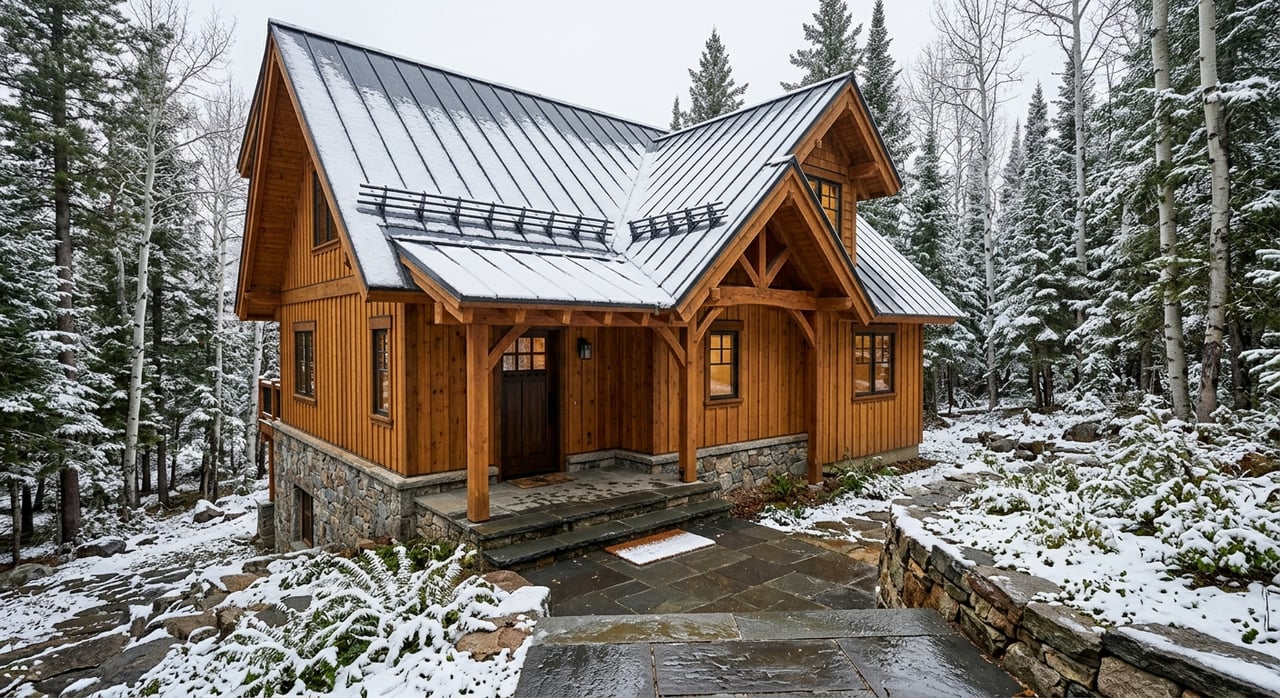
Winter in Estes Park has a way of showing up early and asking a lot from your home. If you own a mountain property here, you already know that a light dusting can turn into a serious storm fast, and small maintenance issues can become expensive repairs when temperatures drop. This guide will help you prepare your Estes Park home for snow, cold, wind, and part-time vacancy so you can head into the season with more confidence. Let’s dive in.
Why winter prep starts early
In Estes Park, winter prep is not a Thanksgiving-weekend project. NOAA climate normals for the Estes Park station show average snowfall of 4.3 inches in October and 10.9 inches in November, with about 75.1 inches annually. Average winter temperatures also stay cold enough that frozen pipes, snow-packed access, and roof drainage problems are real concerns.
At roughly 7,522 feet, local weather patterns can shift quickly. Rocky Mountain National Park notes that nearby higher elevations can see sudden blizzards, high winds, and deep snowpack, which is one reason mountain homeowners need to think beyond the basics. In practical terms, early fall is the right time to schedule your main winter checklist.
Focus on roof and drainage first
Your roof, gutters, and downspouts do some of the hardest work in winter. If roof runoff is not carried away from the house, moisture can collect near the foundation and create bigger problems over time. Before freezing weather arrives, check for roof leaks, loose materials, and clogged gutters.
Clean gutters and make sure downspouts move water well away from the home. This matters during snowmelt as much as during rain. In mountain conditions, drainage issues often stay hidden until a warm spell or ice buildup reveals them.
Reduce ice dam risk
Ice dams often trace back to heat loss and poor airflow. The Department of Energy notes that air sealing, attic insulation, and ventilation can help reduce the risk. If you have had icicles, uneven roof melt, or past winter leaks, it is worth taking a closer look before the season starts.
Colorado State University Extension also points to air leaks as a common source of drafts and higher utility bills. Sealing gaps around attic hatches, ceiling penetrations, windows, doors, and fireplace dampers can often cut energy use by 10% to 20%. It can also help keep warm air where it belongs.
Protect access, trees, and utilities
Snow removal is one of the most overlooked parts of mountain homeownership. Larimer County does not clear private driveways, and plow windrows can block driveway entrances even after public roads are cleared. If your home sits on a private drive or in an area with limited access, line up snow removal before the first storm.
Tree maintenance matters too. The Town of Estes Park says property owners are responsible for trimming trees and vegetation along service lines, and the town recommends using a qualified licensed professional. If work is planned near buried utility lines, call 811 or request utility locates first.
Build a simple access plan
A good winter access plan should answer a few basic questions:
- Who will clear the driveway after a storm?
- Can emergency services or vendors reach the home?
- Are overhanging branches close to utility lines?
- Is the path to doors, vents, and meters easy to reach in snow?
For second-home owners, this step is especially important. Public road conditions may improve before your private access does.
Winterize irrigation and support landscaping
If your property has an irrigation system, do not wait for a hard freeze. EPA WaterSense recommends shutting off the water supply and draining the lines before freezing weather arrives. Colorado State University Extension adds an important local point: manual or automatic drain valves should not be trusted by themselves, and irrigation systems should be blown out with pressurized air.
Mountain landscapes also need attention after the sprinklers are shut down. Colorado State University Extension recommends winter watering of trees, shrubs, lawns, and perennials during prolonged dry periods in fall and winter, but only when air and soil temperatures are above 40 degrees and there is no snow cover. Estes Park’s dry air and changing winter temperatures can stress plants even when they look dormant.
Service heating systems before peak cold
A dependable heating system is one of your most important winter safeguards. The Department of Energy recommends having furnaces and boilers inspected by a heating professional each year. That inspection should include key components such as the vent connection pipe, chimney, heat exchanger, and duct connections.
If you use a forced-air system, check the filter regularly during the heating season. DOE guidance says filters often need replacement about every month or two during periods of heavy use. A clean filter helps airflow, system performance, and indoor comfort.
Do not forget combustion safety
EPA advises testing smoke and carbon monoxide alarms every month and replacing batteries at least once a year. Carbon monoxide alarms should be placed outside sleeping areas and on every level of the home. This is especially important in mountain homes that rely on furnaces, boilers, fireplaces, or wood stoves during storms.
You should also clear snow and ice from outdoor furnace, fireplace, radon, and dryer vents. Blocked vents can create indoor air-quality issues and increase carbon monoxide risk. If you heat with wood, EPA recommends annual inspection of the appliance and chimney and using only dry, seasoned wood.
Guard against frozen pipes
Frozen pipes are a common winter headache, especially in homes that sit empty for stretches of time. Colorado Springs Utilities says service lines are the homeowner’s responsibility and recommends insulating pipes, sealing air leaks near indoor pipes, and opening kitchen and bathroom cabinet doors on very cold days. Those simple steps can help warm air circulate where it is needed.
EPA also recommends insulating water lines along exterior walls and shutting off and draining outdoor spigots before freezing temperatures arrive. Just as important, make sure you know where the main water shutoff is located. In an emergency, minutes matter.
Prepare unheated spaces
If your home has an unconditioned basement or crawlspace, add that area to your fall checklist. The Department of Energy recommends checking insulation, water-heater piping, hot-water pipes, and ducts in unheated spaces. These hidden areas are often where winter problems begin.
Set the right temperature when you leave
If you leave your Estes Park home for a week or longer, do not turn the heat off. Colorado Springs Utilities recommends setting the thermostat at 55 degrees when traveling and turning the water heater to its lowest setting. EPA supports the same big-picture approach: keep the heat on low rather than shutting it off completely.
For part-time residents and second-home owners, this is one of the easiest ways to reduce risk. A cold snap can arrive quickly, and a heated home has a much better chance of avoiding frozen pipes and related damage.
Create a storm and outage plan
Winterizing the house itself is only part of the job. Larimer County recommends sheltering in place during blizzards, winter storms, or flooded roads and having at least one week of supplies, including one gallon of water per person per day, food, medication, flashlights, and a battery-powered weather radio. The county also advises residents not to wait for official notice before taking action when conditions worsen.
Power outage planning matters too. Larimer County says households that depend on electric medical equipment should plan for backup power, extra batteries, and an alternate place with electricity if an outage lasts too long. Even if that does not apply to your household, it still makes sense to keep phones charged, store backup battery packs, and maintain a written contact list.
Use safe winter habits
A few simple habits can make winter outages less stressful:
- Keep flashlights ready instead of relying on candles
- Never run a fuel-powered generator indoors or in a garage
- Use portable generators outside and at least 20 feet from buildings
- Close curtains at night to help hold indoor heat
- Seal obvious drafts before the coldest weather arrives
These are basic steps, but they help stabilize your home and improve safety during a storm.
What second-home owners should do differently
If your Estes Park property is not occupied full-time, your winter plan should be more proactive. A home can look fine when you leave and still develop an issue after a storm, freeze, or power interruption. That is why vacancy planning matters just as much as maintenance.
The Estes Park Police Auxiliary offers vacation checks for up to four weeks, with exterior checks at least once a week. For longer absences, the town says you should arrange longer-term coverage through a local security company. It is also wise to have a local contact and a snow-removal plan that does not depend on county crews clearing a private driveway.
A smart second-home checklist
Before leaving for winter travel or an extended vacancy, consider this short checklist:
- Set the thermostat to 55 degrees
- Turn the water heater to its lowest setting
- Shut off and drain outdoor spigots
- Confirm your main water shutoff is easy to access
- Clear key exterior vents of snow or debris
- Arrange snow removal for private access
- Set up a local property check plan
- Charge backup batteries and update your contact list
A mountain home works best with a mountain-specific plan
Owning a home in Estes Park comes with incredible rewards, but winter asks you to stay ahead of the season. Roof drainage, heating performance, private access, frozen-pipe prevention, and vacancy planning all matter more in a mountain setting than they might in lower-elevation communities. A little preparation in early fall can protect your comfort, your budget, and your peace of mind all winter long.
If you are buying, selling, or planning for seasonal ownership in Estes Park, it helps to work with someone who understands how mountain homes live through every season. Liz Kozar brings local insight and practical guidance to help you make smart real estate decisions in the Estes Valley.
FAQs
When should I schedule winter prep for an Estes Park home?
- Early fall is the safest target. Estes Park averages measurable snowfall in October and November, so roof cleaning, gutter work, furnace service, and sprinkler blowouts are best scheduled before the first serious storm.
What temperature should I leave my Estes Park house at in winter?
- If you plan to be away for a week or more, Colorado Springs Utilities recommends setting the thermostat at 55 degrees and turning the water heater to its lowest setting.
How often should I change my HVAC filter during winter in Estes Park?
- The Department of Energy says forced-air furnace filters should be checked and replaced as needed, generally about every month or two during periods of high use.
What should second-home owners in Estes Park do before leaving for winter?
- Focus on vacancy planning as well as maintenance. Keep the heat on low, winterize outdoor plumbing, arrange snow removal for private access, and set up a local property check plan.
Who can check on my empty Estes Park home during winter?
- The Estes Park Police Auxiliary offers vacation checks for up to four weeks, with exterior checks at least once a week. For longer absences, the town says longer-term coverage should be arranged through a local security company.
Do Estes Park homeowners need to winterize sprinkler systems?
- Yes. EPA WaterSense recommends shutting off the water supply and draining irrigation lines before freezing weather, and Colorado State University Extension says systems should be blown out with pressurized air rather than relying only on drain valves.