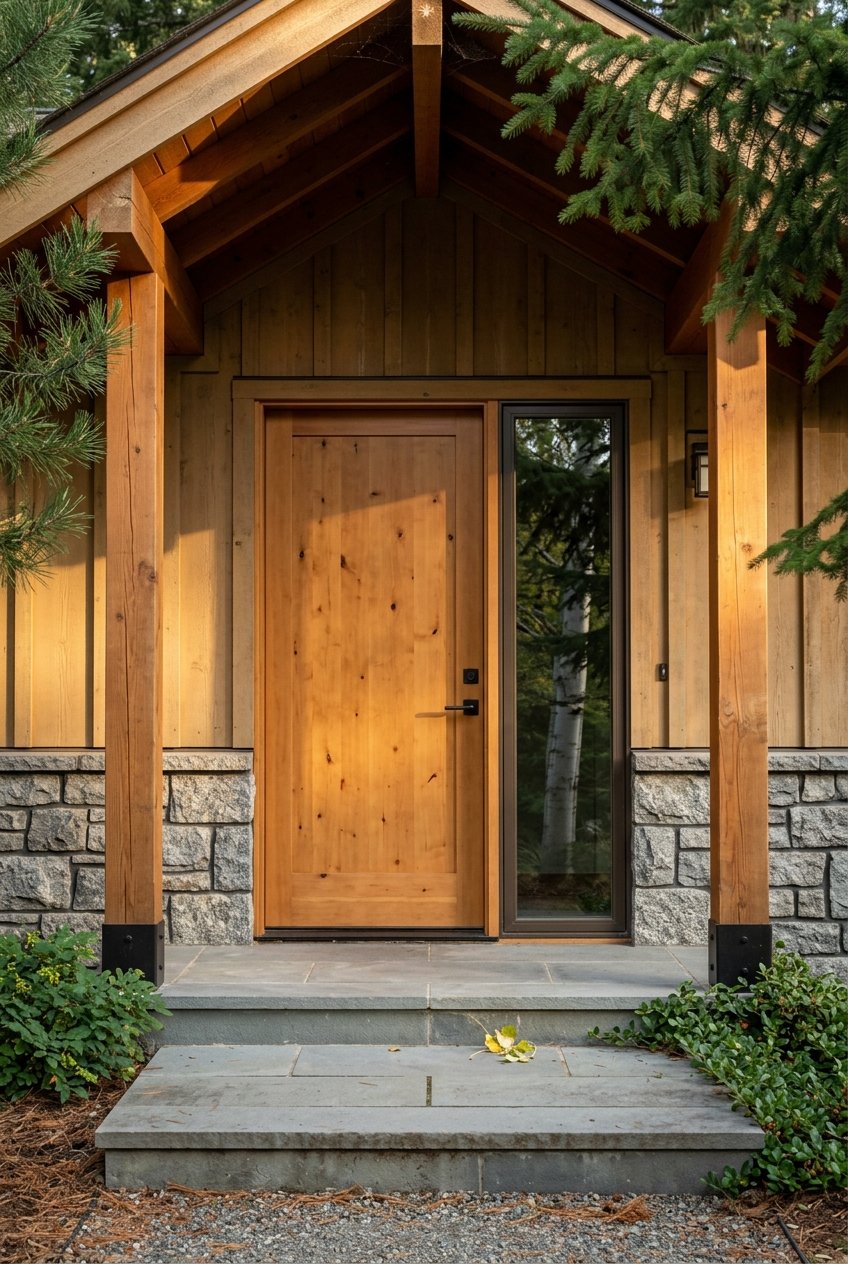
Selling in Glen Haven can feel tricky at first glance. You may see a “seller’s market” label and assume your home will move quickly, only to learn that many properties still spend months on the market. If you want to sell with confidence, it helps to understand how this small mountain market really works and what today’s numbers may mean for your next step. Let’s dive in.
Glen Haven is a small market
Glen Haven is a very small, thinly traded mountain submarket. Realtor.com showed roughly 13 to 14 active listings in early 2026, and that mix included both homes and land. In a market this small, even a handful of new listings, pendings, or closings can shift the data fast.
That matters because headline numbers can look more dramatic than they would in a larger area. A quick change in inventory or pricing may reflect sample size more than a true market swing. As a seller, you will want to read broad trends carefully and focus on the details behind the numbers.
Seller's market does not mean fast sale
Realtor.com labeled Glen Haven a seller’s market in February 2026. It also reported that homes were selling for about asking price on average. On the surface, that sounds encouraging for sellers.
But speed is a separate issue. The same source reported a median of 143 days on market and an average of 123 days on market, which suggests that many Glen Haven listings can still take months to sell. In other words, market leverage and market pace are not always the same thing in a unique mountain area.
For you, the takeaway is simple: you can have decent pricing power and still need patience. Buyers in small mountain markets often take longer to make decisions, especially when listings vary widely in setting, access, condition, and land value.
Pricing needs a local lens
One of the biggest mistakes a Glen Haven seller can make is leaning too hard on a single headline price. Realtor.com showed inconsistent median listing price figures for Glen Haven, with one section showing $649,000 and another showing $517,500. In a tiny market, that kind of gap usually points to how sensitive pricing data can be to timing and sample mix.
The Colorado Association of REALTORS® has also noted that small samples can make monthly activity look extreme. That is especially relevant in a place like Glen Haven, where a few unique properties can skew averages. A luxury cabin, a dated seasonal home, and a vacant land parcel should not be treated as if they tell the same pricing story.
That is why your pricing strategy should rely more heavily on recent closed sales and current pending activity than on active listing averages alone. Active listings show what sellers hope to get. Closed and pending sales offer better clues about what buyers are actually willing to do right now.
Glen Haven has softened more than Estes Park
If you have been watching nearby areas, you may wonder whether Glen Haven is tracking closely with Estes Park. Based on the research, the answer appears to be no. The broader 80532 area that includes Glen Haven showed an average home value of $549,841, down 4.2% year over year as of February 28, 2026, according to Zillow.
By comparison, Estes Park’s 80517 area showed an average home value of $685,332, down just 0.3% year over year as of March 31, 2026. These are different zip-code level measures, and Zillow’s value index is not the same as listing or sales data, so the numbers should be read directionally. Still, they suggest Glen Haven has softened more than Estes Park over the last year.
That difference matters when you set expectations. If you price your Glen Haven home as if it should behave exactly like a property in Estes Park, you may miss the mark. Glen Haven appears thinner, more price-sensitive, and more dependent on the specifics of each listing.
Estes Park is not a direct match
Realtor.com’s March 2026 Estes Park page showed 186 homes for sale, a 97% sale-to-list ratio, and a median of 60 days on market, while classifying Estes Park as a buyer’s market. That is a very different setup from Glen Haven, where inventory is much smaller and time on market is notably longer.
This comparison helps clarify something important. Glen Haven does not simply mirror Estes Park because they are nearby. Sellers in Glen Haven should avoid assuming that larger-neighbor trends will automatically apply to their property.
Instead, your home should be positioned within Glen Haven’s own market dynamics. That means accounting for its limited inventory, mountain-specific appeal, and the fact that buyers may compare it against a smaller but highly varied pool of options.
County data gives helpful perspective
It also helps to zoom out. In Larimer County, the Colorado Association of REALTORS® reported in January 2026 that single-family new listings were down 4.0%, sold listings were down 3.7%, median sales price was $570,000, days on market until sale were 91, inventory stood at 904 homes, and months of supply were 2.3.
That points to a county market that was moving, but not at a frenzied pace. Realtor.com’s March 2026 Larimer County data told a similar story, showing 3,107 homes for sale, a 99% sale-to-list ratio, and a median of 38 days on market. Redfin’s March 2026 county snapshot also showed a median sale price of $554,500 and an average time on market of 66 days.
Taken together, the county looks more balanced than Glen Haven alone. For you, that means broad county averages can offer useful context, but they should not drive your pricing or timing decisions. Glen Haven’s smaller size and property mix create a very different selling environment.
What this means for your sale
If you are preparing to list in Glen Haven, the market calls for realism and strategy. A strong outcome is still possible, but it usually comes from careful preparation rather than from assuming buyers will rush in. In this area, overpricing can cost valuable time.
A few practical takeaways stand out:
- Expect a longer marketing cycle than you might in a larger or more suburban Colorado market.
- Price from recent closed and pending comparable sales, not active listings alone.
- Separate home comparisons from land comparisons whenever possible.
- Treat broad averages as directional, especially in a market with very few listings.
- Watch the latest market movement closely, because small shifts can change the picture quickly.
Preparation matters in Glen Haven
Because Glen Haven is not a set-it-and-forget-it market, your listing needs to stand out for the right reasons. Buyers are often comparing a small number of very different mountain properties, so clear positioning matters. The more accurately your home is presented and priced, the better your chances of attracting serious attention.
This is where mountain-market experience can make a difference. A seller in Glen Haven benefits from a strategy built around current local conditions, thoughtful pricing, and a listing presentation that highlights what makes the property distinct within the Estes Valley and adjacent mountain communities.
For many sellers, that means combining a realistic pricing plan with premium marketing. Strong visuals, polished property presentation, and targeted digital exposure can help your home compete in a market where buyers may be shopping from outside the area and taking extra time to choose.
A smart Glen Haven strategy starts local
In a market this thin, local context is everything. Glen Haven data can look promising in one headline and cautious in the next, which is why the best decisions come from reading the full picture rather than reacting to a label. Seller’s market or not, buyers still appear selective, and timing still matters.
If you are thinking about selling, your best move is to build a plan around today’s Glen Haven conditions instead of relying on Estes Park trends or countywide averages alone. With the right pricing, presentation, and mountain-specific strategy, you can put your home in a much stronger position.
If you’re thinking about selling in Glen Haven and want a strategy built around the realities of this mountain market, Liz Kozar can help you position your home with local insight, personalized service, and targeted marketing.
FAQs
What is the Glen Haven real estate market like for sellers?
- Glen Haven is a very small mountain market with limited inventory, and that means market stats can shift quickly. Early 2026 data suggested seller-friendly conditions on pricing, but also much longer selling timelines than many sellers expect.
How long does it take to sell a home in Glen Haven?
- Realtor.com reported a median of 143 days on market and an average of 123 days on market in Glen Haven in early 2026. That suggests sellers should plan for a longer marketing cycle, even when homes sell close to asking price on average.
Should Glen Haven sellers use Estes Park prices as a guide?
- Not by themselves. Research suggests Glen Haven and Estes Park behave differently, with Glen Haven appearing thinner and more price-sensitive, so pricing should be based on Glen Haven-area comps and current market activity.
Why are Glen Haven price numbers inconsistent?
- In a very small market, a few listings can heavily influence the data. Glen Haven also includes both homes and land in some inventory snapshots, which can distort averages and median listing price figures.
What pricing approach makes sense for a Glen Haven home sale?
- The strongest approach is to use recent closed sales and current pending sales as your main guide, while treating active listing numbers as directional. It is also important to separate home comparisons from land comparisons whenever possible.