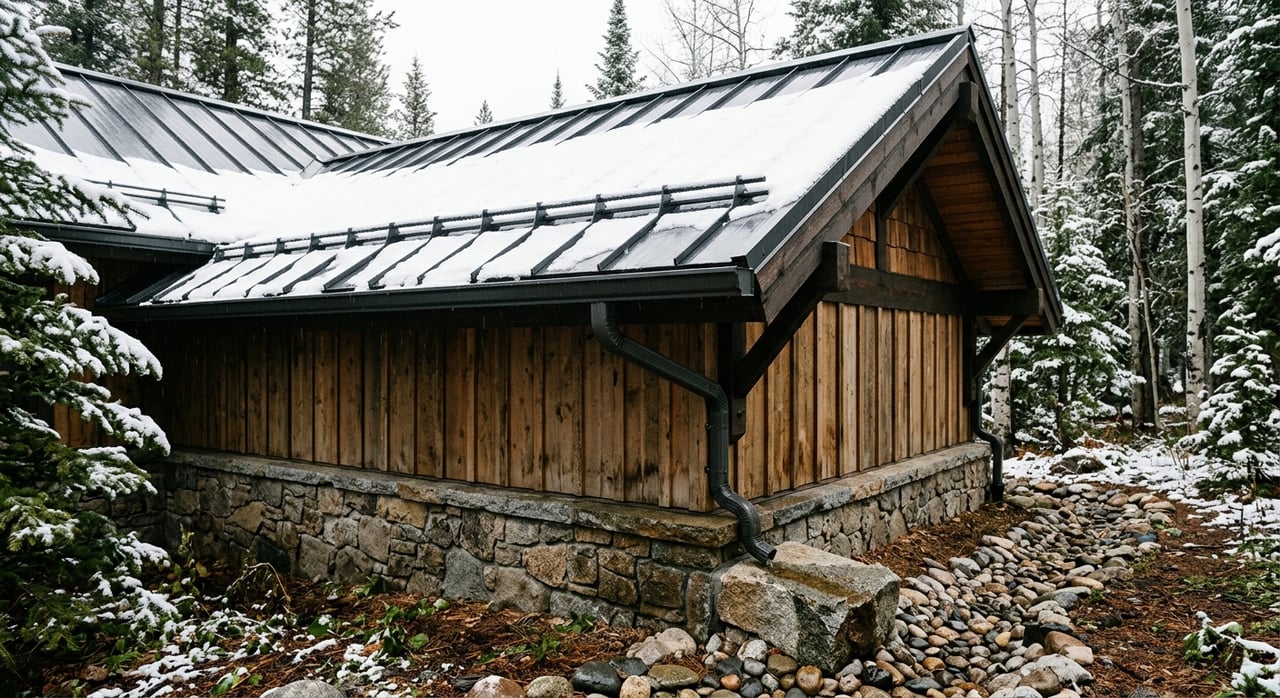
Thinking about building in Glen Haven instead of buying an existing cabin or mountain home? It can be a great path if you want a property that fits your lifestyle, your lot, and the realities of mountain living. The key is knowing that a custom build here usually involves more moving parts than an in-town project. This guide will help you understand the local approval process, site planning issues, and timeline factors so you can move forward with more confidence. Let’s dive in.
Glen Haven building starts with Larimer County
Glen Haven is an unincorporated community, which means Larimer County is the main authority for permits, plan review, and inspections. If you are planning a new home here, you will generally work through the county rather than a town building department.
That matters because your build is shaped by county-level rules, review timelines, and inspection procedures from the start. It also means your project planning should begin with the county requirements for permits, plot plans, and site documentation.
Building permits come early
A new home requires a building permit before construction begins. Larimer County says residential permits currently must be submitted by hard copy, and typical review time is about 10 to 20 working days, with longer timeframes possible during busier periods.
For many buyers, that is the first big scheduling reality check. Mountain construction often feels like it starts with design, but in practice, it starts with having a complete application package and allowing enough time for review.
What the county usually wants
For new construction, Larimer County asks for two complete plan sets and at least five plot plans. The plot plan needs to show parcel boundaries, adjacent roads, the driveway location, easements, water features, and on steeper terrain, slope or elevation information.
That level of detail is one reason mountain builds often benefit from local professionals who understand hillside parcels and access constraints. If the site has drainage, slope, or soil concerns, having the right technical support early can help avoid delays later.
Site conditions can shape the whole project
In Glen Haven, the lot itself often drives major design and approval decisions. A beautiful mountain parcel can also come with slope, soil, drainage, and access issues that affect cost, layout, and timeline.
Larimer County’s footing and foundation guidance separates foothill and mountain areas from Front Range areas. The county also states that Area C homes need engineered footing and foundation plans or a site-specific soils report unless a subdivision soils report already covers the site.
Soil and foundation planning matter more here
That requirement is important because not every lot will build the same way. Two properties with similar views can have very different foundation needs depending on soil conditions and exact parcel location.
If you are comparing land or weighing a resale home against new construction, this is one of the most important mountain-specific factors to keep in mind. A buildable lot is not just about size or scenery. It is also about what the site will require beneath the home.
Wildfire planning is part of the baseline
In unincorporated Larimer County, wildfire planning is not an extra step for only a few properties. Under the county’s wildfire resiliency code, all unincorporated county areas are treated as wildland-urban interface areas.
For a Glen Haven build, that means wildfire-related requirements are part of the standard design conversation. Starting with those expectations early can help you and your builder make better decisions on materials, layout, and site preparation.
What wildfire requirements can affect
The county’s wildfire code requires Class A roof coverings in wildland-urban interface areas. It also requires defensible-space site plans to be submitted with permit site plans, and it states that new or relocated structures in the WUI must meet structure-hardening requirements.
These standards can influence how your home is designed and how the lot is prepared around it. In a mountain setting, those decisions are not only about aesthetics. They are also about meeting code and planning for long-term resilience.
Fire restrictions can affect construction activity
Larimer County also notes that fire restrictions are monitored year-round and can change with local conditions. For a new build, that can affect slash disposal, construction ignition sources, and temporary heating or burning practices during the project.
If your lot needs clearing, this is worth discussing early with your contractor team. Even routine site work can be affected by seasonal wildfire conditions and burn-permit rules.
Water, septic, and utilities need early coordination
One of the biggest differences between mountain building and city building is utility coordination. Larimer County notes that it does not provide public water, electric, or sewer services itself, so homeowners must coordinate directly with utility providers.
That means your planning should include more than the house plans. You also need a realistic path for water, wastewater, access, and any utility-related trenching or road work.
Well permits can take time
If the property will use a well, the Colorado Division of Water Resources issues the well permit. The state reviews new and replacement well applications in the order received, and complete applications may take up to 49 days.
Just as important, the agency says it cannot guarantee a permit will be issued until the full evaluation is complete. If you are building on raw land, that timing should be part of your pre-construction schedule from day one.
Septic approval is often part of the path
If the property will use septic rather than sewer, the Larimer County Department of Health and Environment requires a permit before building or repairing the system. The county also states that for homes and cabins served by a well or public water system, or cabins converted to homes, a full onsite wastewater system is generally required unless the site cannot support one.
This is another reason lot evaluation matters so much. Wastewater feasibility can directly affect whether a site works for your plans and how the build budget comes together.
Access and right-of-way permits may apply
If driveway work, culverts, or utility trenching affects county right-of-way, Larimer County Engineering may require a right-of-way or access permit. That may sound minor at first, but access details can be a meaningful part of a mountain project.
Driveway placement, road approach, and utility routing can all influence design and scheduling. On a mountain parcel, those practical issues often become part of the early due diligence rather than something to solve later.
Floodplain rules can change your options
If a site is in a floodplain, Larimer County requires a floodplain development permit and may also require a grading and drainage plan. The county further notes that development in the floodway is heavily restricted and that new buildings cannot be built there.
For buyers considering creekside or low-lying parcels, this is especially important. Water features can be a major draw in mountain communities, but they can also create real building limitations that need to be understood upfront.
Weather and roads can slow a build
In Glen Haven, the construction timeline is not just about labor and materials. Seasonal weather and road access can affect delivery days, inspections, concrete scheduling, and trade coordination.
Larimer County says it does not clear private driveways, and subdivision roads receive snow and ice control only when conditions warrant and after higher-priority roads are addressed. During extreme storm events, roadways may be closed or maintenance operations paused until conditions improve.
Gravel roads add another layer
On non-paved roads, the county grades, waters, and dust-suppresses gravel surfaces as part of normal maintenance. For a custom build, that means heavy deliveries and other critical site visits may need extra flexibility when weather or road conditions shift.
In other words, mountain timelines usually need buffer room. A schedule that looks tight on paper can feel very different once winter weather, mud season, or access issues enter the picture.
Inspections are straightforward if the site is ready
Larimer County says most areas are inspected daily for building inspections and within two days for electrical inspections. That is helpful, but the site has to be prepared properly.
The county requires the permit card and approved plans to be on site, and it may charge a reinspection fee if the job is not ready or if documents are missing. Keeping paperwork organized and the project stage inspection-ready can save both time and frustration.
Final approval can involve several signoffs
Final certificate-of-occupancy approval can depend on finish grading, working utilities, septic health approvals, drainage, access or flood signoff when applicable, and wildfire or fire-sprinkler approvals when required. That means the finish line is often tied to several parallel items, not just the house itself being complete.
This is why experienced local coordination matters so much in mountain construction. The more moving parts your site has, the more valuable it is to plan the final steps early instead of treating them as last-minute details.
What this means for Glen Haven buyers
For many buyers, building in Glen Haven is still a very appealing option. You can create a home that fits the land, your goals, and the way you want to enjoy mountain living.
The biggest mindset shift is understanding that a mountain build is usually a coordination project as much as a construction project. You are not just choosing finishes and floor plans. You are managing permits, plot-plan details, utility paths, wildfire requirements, access, and seasonal timing.
A smart way to approach the process
If you are considering land or deciding between resale and new construction, it helps to ask a few practical questions early:
- What approvals are likely required for this parcel?
- Will the site need engineered foundation plans or soils review?
- Is there a clear path for well and septic approvals?
- Could floodplain or right-of-way issues affect the design?
- How might road access and seasonality affect the build schedule?
Those questions can help you compare opportunities more clearly. In mountain communities, the right property is not always the one that looks easiest at first glance. It is the one that matches your goals and has a workable path from concept to completion.
If you want help weighing land, resale options, or the realities of building in Glen Haven, working with a local mountain-market expert can make the process feel much more manageable. Liz Kozar brings a neighborly, practical approach to Estes Valley and surrounding mountain communities, helping you evaluate opportunities with local insight and clear next steps.
FAQs
What permits are typically needed to build a home in Glen Haven?
- A new home in Glen Haven typically starts with a Larimer County building permit, and depending on the site, you may also need septic, well, floodplain, right-of-way, or access-related approvals.
What wildfire rules apply to a new home in Glen Haven?
- Because all unincorporated Larimer County is treated as wildland-urban interface area, Glen Haven builds must account for wildfire requirements such as Class A roof coverings, defensible-space site plans, and structure-hardening standards.
What should buyers know about wells and septic for Glen Haven construction?
- If your Glen Haven property uses a well, the well permit is handled by the Colorado Division of Water Resources, and if it uses septic, Larimer County requires onsite wastewater permitting before building or repair work.
What can affect a mountain-home building timeline in Glen Haven?
- Permit review times, possible well-permit lead times, weather, snow and ice conditions, gravel-road access, and final signoffs for utilities, septic, drainage, or wildfire items can all affect the timeline.
What site issues matter most when evaluating land in Glen Haven?
- In Glen Haven, slope, soil conditions, foundation requirements, floodplain status, driveway access, and utility feasibility are some of the most important factors to review before moving ahead with a build.